
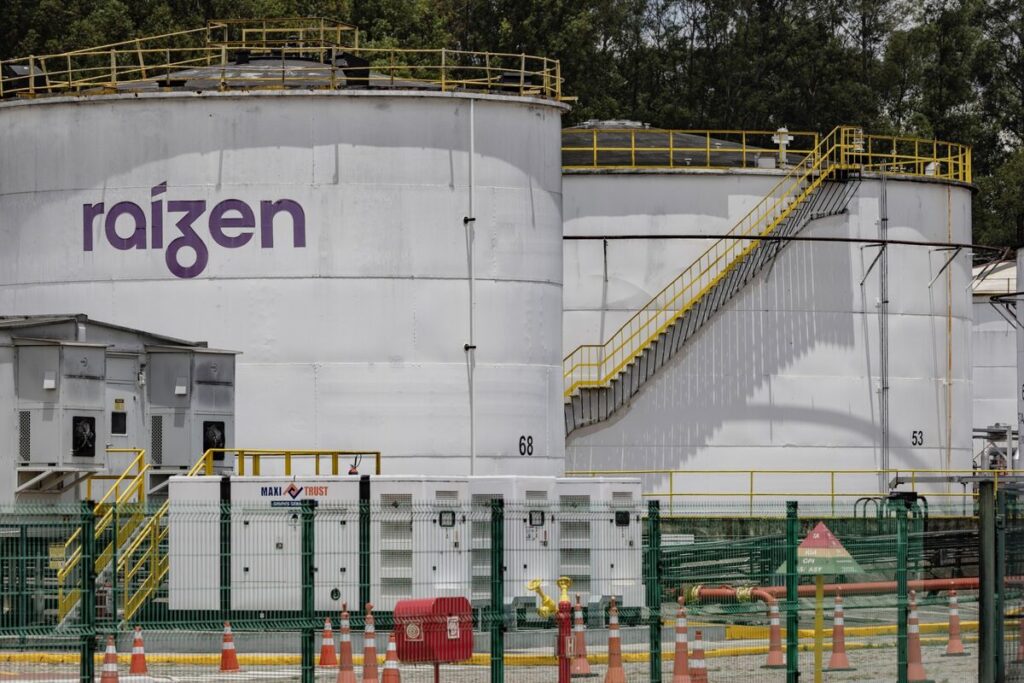
Raizen advances its recovery strategy through a major debt restructuring agreement with creditors.
Raizen recently reached a major restructuring agreement with most of its creditors. The deal covers approximately 65 billion reais of outstanding obligations. This agreement marks a significant milestone in the company’s recovery efforts.
Creditors representing roughly 75% of the affected debt supported negotiations. The company worked extensively to secure backing before important deadlines. Strong participation improved the likelihood of successful implementation significantly.
The restructuring demonstrates cooperation between Raizen and major financial stakeholders. Both parties recognized the need for long-term financial stabilization measures. The agreement creates a framework for future operational improvements.
Restructuring Could Become Brazil’s Largest
Industry observers expect this transaction to become Brazil’s largest restructuring. The agreement involves numerous financial institutions and major bondholders. Its scale highlights the seriousness of Raizen’s financial challenges.
Approximately nineteen banks and eighty major bondholders participated actively. Such broad involvement required extensive discussions and coordinated negotiations. Reaching consensus represented a considerable achievement for all stakeholders.
The restructuring may establish important precedents within Brazil’s corporate sector. Future distressed companies could study similar approaches for guidance. Market participants continue monitoring developments closely throughout the process.
Debt Conversion Forms Core Strategy
A significant portion of debt will convert into company equity. Approximately forty-five percent of obligations fall under this arrangement. The strategy helps reduce financial pressure and strengthen balance sheets.
Creditors accepting equity gain ownership interests within the business structure. This approach aligns stakeholder interests with future company performance. Successful recovery could benefit both investors and the company.
The remaining debt will transform into newly structured financial instruments. These changes aim to improve repayment flexibility and sustainability over time. Restructuring terms provide breathing room for operational recovery efforts.
Operational Separation Supports Future Plans
Raizen plans to separate major business divisions during the coming years. Management intends to divide sugarcane processing from fuel distribution activities. The separation should be completed before the end of 2027.
Executives believe specialized operations can improve efficiency and financial performance. Independent structures often allow clearer management focus and accountability. Investors frequently support measures that simplify complex corporate organizations.
The restructuring process extends beyond financial adjustments alone significantly. Operational improvements remain essential for achieving long-term stability and growth. Strategic changes aim at creating stronger foundations for future success.
Leadership Takes Expanded Responsibilities
Chief Financial Officer Lorival Luz will assume additional leadership duties. His expanded role includes overseeing important restructuring activities directly. Strong leadership remains essential during periods of significant corporate transformation.
Management continuity provides stability while major changes move forward. The current board plans remain in place through early next year. Consistent governance helps support stakeholder confidence during uncertain periods.
Experienced executives often play critical roles in successful restructurings. Clear decision-making becomes increasingly important during complex negotiations and implementation. Leadership effectiveness may influence long-term outcomes significantly.
Financial Challenges Led To Restructuring
Raizen faced mounting financial pressure from multiple business challenges recently. Certain investments failed to generate expected returns within targeted timelines. These difficulties contributed to growing concerns regarding financial sustainability.
Higher interest rates increased borrowing costs across corporate debt portfolios. At the same time, weaker harvests negatively affected operational performance. Combined pressures created substantial strain on company finances.
Management pursued restructuring to avoid more severe financial consequences later. Early intervention often provides greater flexibility than formal bankruptcy proceedings. Negotiations sought to preserve value for stakeholders whenever possible.
Credit Downgrades Increased Market Pressure
Major rating agencies sharply reduced Raizen’s credit ratings earlier. These downgrades reflected growing concerns regarding financial health and obligations. Market confidence weakened as credit assessments deteriorated rapidly.
Credit rating reductions often increase financing costs for struggling companies. Investors become more cautious when agencies identify elevated financial risks. Access to capital can become increasingly difficult under such circumstances.
The downgrades highlighted urgency surrounding restructuring negotiations and solutions. Management needed to address concerns before conditions worsened further materially. The agreement represents progress toward restoring financial stability.
Investors Monitor Recovery Prospects Closely
Investors continue assessing Raizen’s capability of implementing its restructuring successfully. The future success of the company will depend on the company’s ability to improve its operations and maintain its finances responsibly. Investors will look for any indication of its potential to recover in the future.
The successful completion of its restructuring process can be positive for the investors and creditors. Less debt is generally helpful for making future business decisions. Growing in a sustainable way is one of the main goals of Raizen. The process opens up opportunities, but must be implemented carefully all the time.
Conclusion
The $12.6 billion restructuring plan by Raizen is certainly a huge move towards the company’s revival. Through ensuring that all major creditors sign up on the deal, slashing down debts via equity exchange, and splitting business operations, Raizen can now look forward to a brighter future financially and operationally speaking. Despite the numerous risks involved in implementing the plan, such as risks related to execution, investors should still take note of its advantages in giving management more time to improve on their part.
About the Author