
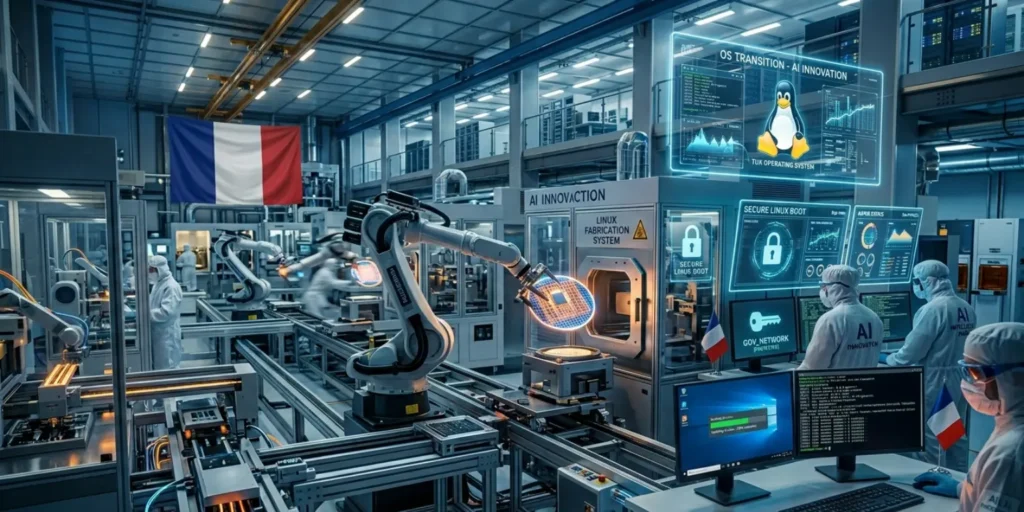
France moves toward Linux to strengthen digital independence and data control
France is preparing to move away from Microsoft Windows on some of its government computers. Instead, it plans to adopt Linux as part of a broader effort to rely less on technology from the United States.
This decision reflects a growing concern within the French government about control over data and digital systems. Officials want to make sure that critical infrastructure is not dependent on foreign companies.
Why France Is Making This Move
The plan is not just about switching software. It is tied to a larger goal often described as digital independence. French officials believe that relying too much on foreign technology can create risks, especially when it comes to sensitive data.
David Amiel explained that the aim is to take back control over the country’s digital future. He said France can no longer accept a situation where key systems and data are outside its direct control.
This shift is meant to give the government more flexibility and security. By using open source tools, France can better understand how systems work and make changes when needed.
What Linux Offers
Linux is very different from Windows. It is open source, which means its code is freely available. Anyone can study it, modify it, and adapt it to their needs.
This allows governments and organizations to create customized versions suited to their specific requirements. It also reduces licensing costs since Linux is free to use.
There are many versions of Linux, known as distributions. Each one is designed for different purposes, from everyday desktop use to large-scale servers.
Where the Transition Will Begin
The move to Linux will start within DINUM, which is responsible for overseeing digital systems across the French government. This approach allows the government to test the transition on a smaller scale before expanding it further. However, officials have not yet shared a clear timeline or details about which Linux versions will be used. The lack of a fixed schedule suggests that the shift will happen gradually rather than all at once.
Microsoft’s Response
So far, Microsoft has not commented on the decision. The company has long been a major provider of software for governments around the world, including France. Moving away from Windows could mark a significant change, especially if other countries follow a similar path.
A Broader Push for Digital Independence
France’s decision is part of a wider trend across Europe. Governments are increasingly concerned about their dependence on foreign technology providers.
In January, the European Parliament approved a report asking the European Commission to identify areas where reliance on outside technology can be reduced. This reflects a growing awareness that digital systems are now a key part of national security and economic stability.
Political Context Behind the Decision
Recent global events have also played a role in shaping these policies. Since returning to the office in 2025, Donald Trump has taken a more aggressive approach in international relations.
His administration has used sanctions against various individuals and organizations, including officials linked to the International Criminal Court. These measures have reportedly cut off access to U.S. financial systems and technology services.
Such actions have raised concerns in Europe about what could happen if access to key technologies is suddenly restricted.
Moving Away from Other US Tools
The shift away from Windows is not the only change France is making. The government has already started reducing its use of other U.S.-based services.
For example, it recently replaced Microsoft Teams with a French-developed video conferencing tool called Visio. This tool is built on Jitsi, which offers end-to-end encryption. This move shows a clear preference for tools that can be controlled and hosted within the country.
Changes to Health Data Systems
France is also planning to move its health data systems to a new platform by the end of the year. The goal is to ensure that sensitive medical information is stored and managed within a trusted environment. This is another step toward strengthening control over critical data and reducing reliance on external providers.
Challenges Ahead
Switching from Windows to Linux is not a simple task. Government systems are often complex, with many applications built specifically for existing platforms.
Training staff, updating software, and ensuring compatibility will all take time and effort. There may also be resistance from users who are more familiar with Windows. Despite these challenges, the long-term benefits of greater control and flexibility are driving the decision.
What This Means for the Future
France’s move could influence other countries to consider similar steps. If more governments adopt open source solutions, it could reshape the global technology landscape.
For now, the transition is still in its early stages. But it clearly signals a shift in how countries think about technology, control, and independence. The message is simple. Digital tools are no longer just about convenience. They are now seen as a key part of national strategy.
About the Author