Key strategic decisions await as the US evaluates its next move on Iran amidst rising tensions.
The US weighs is facing a difficult decision as unrest in Iran grows more intense. President Donald Trump now stands at a critical moment, with pressure mounting to decide how Washington should respond to the violent crackdown on Iranian protesters.
About ten days ago, President Trump said the United States was ready to support Iranian citizens if their government used force against them. At that time, he said the US was prepared to step in and protect protesters if necessary. He described the country as ready and fully prepared for action.
Since then, the situation inside Iran has worsened. Reports of violence, arrests, and deaths have increased, and images emerging from the country have shocked observers around the world. As the scale of the crackdown becomes clearer, attention has shifted to Washington and what steps the US weighs might take next.
US Weighs Uncertainty From the White House
Despite growing pressure, the White House has offered few clear signals. Press Secretary Karoline Leavitt told reporters that only President Trump knows what decision he will make. She added that the world will have to wait and see how he responds. That uncertainty has left allies and critics guessing.
Many are asking how long the president will wait before taking action and whether his response will involve diplomacy, sanctions, covert operations, or military force. Senior officials are expected to brief President Trump this week on possible options. Speaking to journalists while aboard Air Force One, Trump said he was considering very strong measures. He did not explain what those measures might be, but his comments suggested that serious steps are being discussed.
Recent Success Influences Thinking
President Trump is coming into this moment with confidence after recent events in Venezuela. He has publicly praised what he called a highly successful operation that led to the capture of President Nicolas Maduro. Trump described it as one of the most effective actions carried out by the United States in recent history.
That success may influence how the president views the situation in Iran. Supporters argue that decisive action can bring quick results. Critics warn that Iran is a far more complex and dangerous challenge than Venezuela. Iran has a strong military, regional allies, and a history of responding forcefully to outside pressure. Any move by the US could carry serious consequences not only for Iran but also for the wider Middle East.
Military Options on the Table
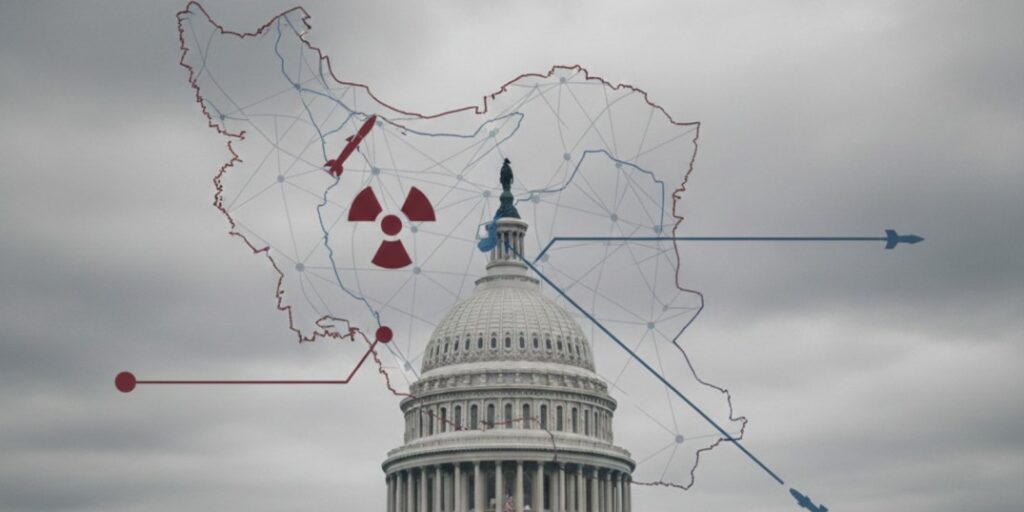
The United States has demonstrated in the past that it can strike Iranian targets from a distance. Last summer, American B 2 stealth bombers flew long missions from Missouri to Iran. These aircraft dropped powerful bunker busting bombs on two major nuclear facilities. Those operations showed the reach and capability of the US military. Analysts say similar long range attacks remain an option if Washington chooses to apply force without deploying ground troops.
Another possibility would be targeted strikes against individuals or facilities linked to the current repression. Washington is believed to have detailed intelligence on Iran’s leadership and security agencies. A focused military response could aim to weaken the regime without triggering a wider conflict. However, military action carries high risks. Any attack could provoke retaliation against US forces or allies in the region. Iran could also respond through proxy groups, escalating tensions far beyond its borders.
Covert and Cyber Operations Considered
Military force is not the only option under review. Pentagon officials speaking to US media outlets have said the response could involve covert actions. These might include cyber operations designed to disrupt Iran’s communications and command systems. Cyber tactics could interfere with government networks, slow down security forces, or spread confusion within Iran’s leadership.
Psychological campaigns could also be used to weaken morale among officials and security personnel. Such measures would allow the US to apply pressure without open conflict. They are harder to trace and offer some level of deniability. However, their effectiveness is uncertain, and Iran has developed its own cyber capabilities over the years.
What Is Not Likely to Happen
One scenario that experts believe is very unlikely is a dramatic public operation similar to recent events in Caracas. A direct attempt to seize Iran’s leadership or openly overthrow the government would be extremely risky and could spark a regional war.
Iran’s size, population, and political structure make it a much more difficult target. Any effort to repeat past interventions on that scale would face strong resistance both inside Iran and internationally. US officials appear aware of these limits. While the language from Washington has been strong, there has been no sign of plans for a full scale intervention.
Global Reactions and Concerns
Around the world, governments are watching closely. Some US allies have expressed concern about escalation and urged restraint. Others have condemned Iran’s crackdown and called for action to protect civilians.
Human rights groups are demanding accountability for those responsible for violence against protesters. At the same time, there are fears that military action could worsen the situation for ordinary Iranians. Financial markets and energy sectors are also sensitive to developments. Any conflict involving Iran could affect oil supplies and global economic stability.
Conclusion
The US weighs now faces a complex and risky decision on how to respond to events in Iran. President Trump has signaled that strong options are being considered, but the path forward remains unclear. Military strikes, covert actions, or continued pressure through other means all carry serious consequences.
What happens next will shape not only US relations with Iran but also stability across the Middle East. As the world waits, the challenge for Washington is to act in a way that protects human rights without triggering a wider and more dangerous conflict.
About the Author