

The year 2025 delivered many exciting tech products. We saw powerful smartphones, smarter laptops, and useful AI tools. However, not every launch made sense. Some products felt confusing, unnecessary, or simply strange. While innovation often requires risk, not every idea lands well with users.
This year also introduced several tech products that raised eyebrows. Some were oddly designed. Others tried to solve problems that most people do not have. A few were funny without trying. Below is a look at ten of the strangest tech products that appeared or gained attention in 2025. Some may make you laugh. Others may leave you wondering why they exist at all.
1. Apple iPhone Pocket
Apple surprised many people by releasing the iPhone Pocket. This was not a phone. It was a wearable fabric holder made in partnership with fashion brand Issey Miyake. The idea was to wear your phone around your neck like a small pouch.
The design looked like a soft phone sock with a strap. The short strap version costs $150, while the longer strap costs $230. Many people questioned the price and purpose. Most users already own bags or pockets. Paying hundreds of dollars for a phone holder felt unnecessary to many.
2. Mirumi Bag Clipping Robot
Mirumi is a small furry robot designed to clip onto bags or backpacks. It reacts to people by turning its head toward them as they pass by. That is its main feature.
It does not talk. It does not move much. It simply looks at people. The goal seems to be adding a sense of companionship. However, many people found it unsettling rather than cute.
Since it looks at strangers without interaction, some felt uncomfortable. What might seem charming to one person could feel creepy to another.
3. Electric Salt Spoon
The electric salt spoon aimed to help people reduce sodium intake. It uses tiny electrical signals to enhance salty flavors without adding salt. While the idea sounds helpful, the execution felt overly complex.
Most people adjust seasoning naturally. Using a powered spoon for taste felt excessive. The gadget required charging and careful handling. For many users, it solved a minor issue with a big solution.
The spoon drew attention, but few saw it as a kitchen essential.
4. Swippitt Toaster Style Phone Charger
This phone charger looked like a toaster and worked in a very unusual way. Instead of charging your phone, it swapped out a battery case in seconds. You placed your phone inside, and the system replaced the battery pack.
The charger cost $450. Each required battery case costs $120. That made the total price higher than many smartphones.
While the idea was fast battery replacement, most users felt traditional fast charging was simpler and cheaper. The design drew attention, but the cost turned many people away.
5. AI Pet Robots
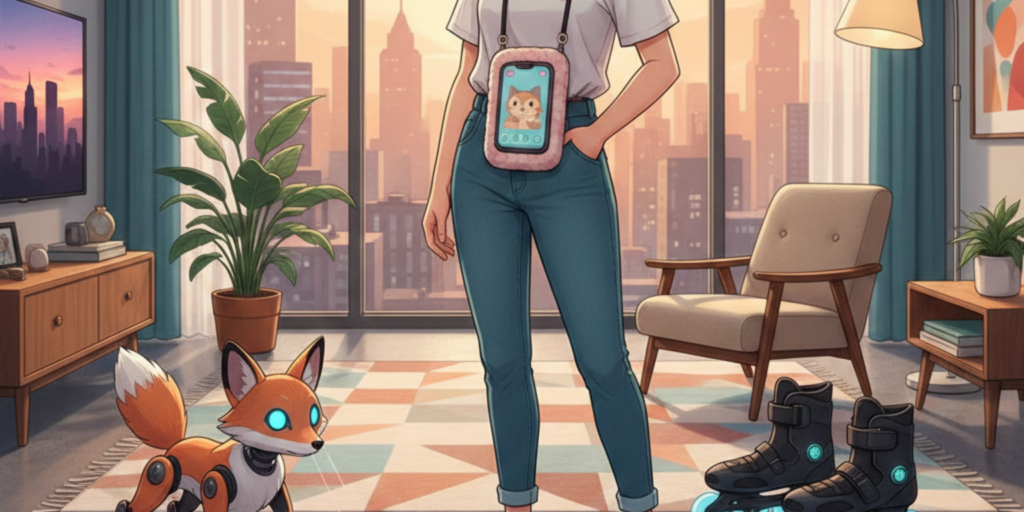
Several AI-powered pet robots appeared at tech shows in 2025. These robots moved around homes and showed basic emotions. Some responded to voice or touch.
While they were not meant to replace real pets, their purpose felt unclear. They required charging, updates, and space. Many people saw them as toys for wealthy buyers rather than useful companions.
Still, some found them cute and entertaining. For others, they felt unnecessary.
6. AI Spice Dispenser
The AI spice dispenser tried to automate cooking spices. It worked like a coffee pod machine but for seasonings. Users selected flavors through an app, and the device dispensed spices automatically.
Most home cooks already season food easily. Adding AI to this process felt forced. It increased kitchen clutter and complexity.
Many questioned why technology was needed for such a simple task. The product felt more like a novelty than a helpful tool.
7. Electric Rollerblades
Electric rollerblades were introduced as a mix of sport and transportation. They featured built-in motors, batteries, and speed controls. Users could glide faster with less effort.
While the concept sounded exciting, practicality was an issue. They cost around 650 euros. Safety concerns also arose, especially at higher speeds.
For casual users, traditional rollerblades were cheaper and safer. Electric versions appealed mainly to enthusiasts.
8. Stringless Smart Guitar
The stringless smart guitar attempted to change how people play music. Instead of strings, it used touch sensors and digital sounds. It was portable and designed for beginners.
However, many musicians were confused. Without strings, it felt more like a controller than a real instrument. Learning traditional guitar skills did not fully apply.
While interesting, it struggled to find a clear audience between serious musicians and casual users.
9. Wonder Blocks and Petal
Wonder Blocks and Petal formed a modular system designed to attract and track insects. Users could monitor bugs through an app and collect data.
While educational in theory, many felt it was unnecessary. Most people observe insects without technology. Turning bug watching into a high-tech hobby seemed excessive.
The product gained attention for its uniqueness but raised questions about its real value.
10. FuFu Coffee Cooling Robot
FuFu is a small robotic cat that clips onto mugs. It cools hot drinks by blowing air across the surface. The idea was to prevent burns from hot coffee.
Many found it amusing rather than useful. Waiting for coffee to cool naturally is common. Using a robot for this task felt silly.
Still, FuFu gained popularity due to its cute design. Sometimes charm matters more than function.
Conclusion: Weirdest Tech Products of 2025
The tech industry thrives on bold ideas and experimentation. In 2025, that spirit led to many impressive products. It also produced some truly strange ones. These unusual gadgets remind us that not every innovation needs to exist.
Some of these products were harmless fun. Others tried too hard to add technology where it was not needed. While they may not become mainstream, they sparked conversation and curiosity.
Weird tech has its place. It shows creativity, even when it misses the mark. As technology continues to evolve, strange ideas will always appear. Sometimes they fail. Sometimes they inspire better ideas. Either way, they make the tech world more interesting.
About the Author