
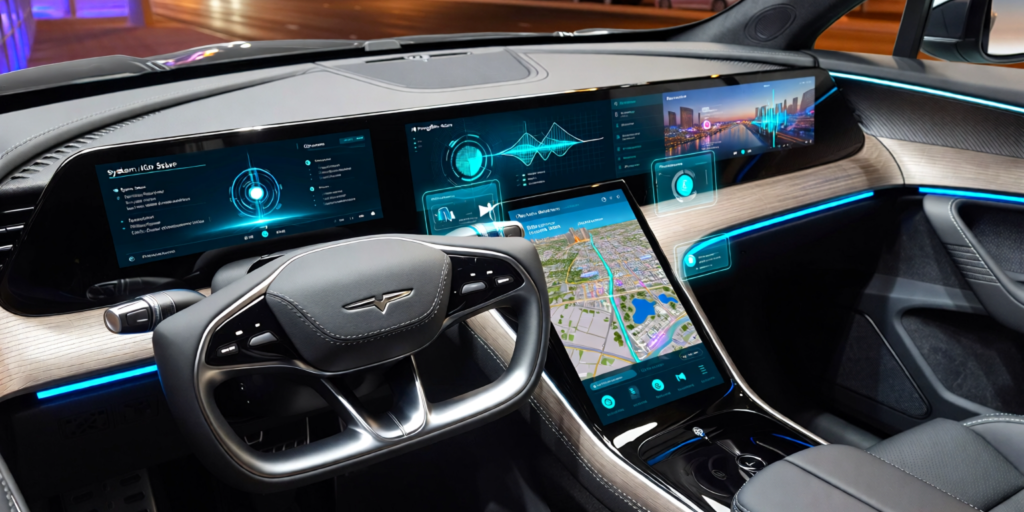
CES 2026 is approaching quickly, and the annual technology show will once again take place in Las Vegas. While CES is known for televisions, laptops, and smart home devices, cars continue to play an important role. However, the focus has changed. Instead of flashy new vehicles, the spotlight is now on software, automation, and artificial intelligence inside cars.
In past years, CES featured bold electric vehicle concepts and dramatic stage reveals. This year looks different. Car makers are still attending, but many are shifting attention away from physical vehicles. The focus is now on how cars think, update, and interact with drivers. For many visitors, CES 2026 may feel quieter. Still, it offers a clear view of where the auto industry is heading.
Software Takes Priority Over New Car Designs
One of the biggest themes at CES 2026 will be software-defined vehicles. This idea is not new, but it has become central to car development. Automakers now design cars as platforms that improve over time, rather than finished products at launch.
Software-defined vehicles rely on operating systems that control everything from infotainment to safety systems. These systems allow car makers to send updates wirelessly, similar to smartphone updates. New features can be added months or even years after purchase.
At CES 2026, many companies will show dashboards, operating systems, and software tools instead of new models. Platforms based on Android Automotive will be common. These systems allow apps, navigation tools, and entertainment services to evolve without hardware changes.
For drivers, this means cars may feel more modern over time. For manufacturers, it creates new ways to earn money through subscriptions and services.
Artificial Intelligence Moves Inside the Car
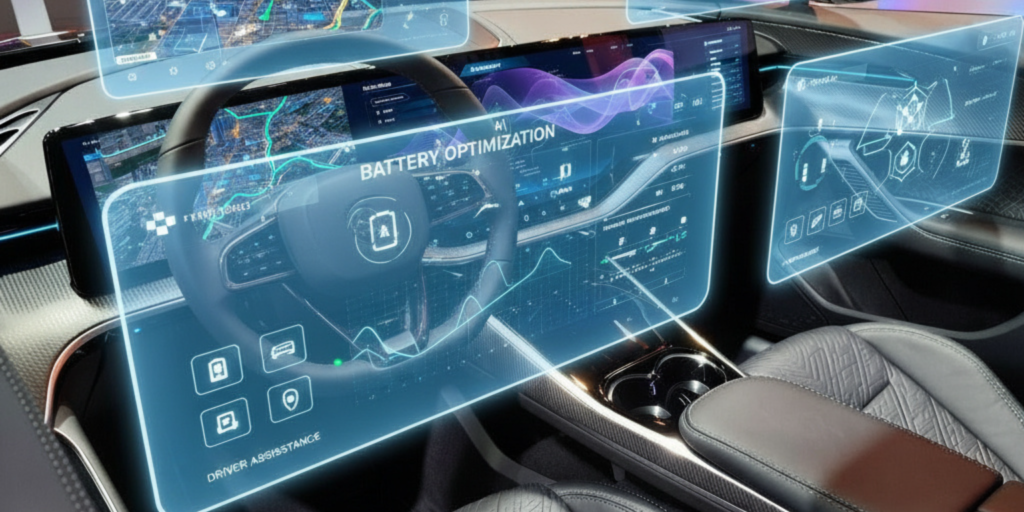
Artificial intelligence will play a larger role at CES 2026. Instead of voice commands alone, car makers are exploring AI systems that actively assist drivers. These systems are often called agent-based AI.
Unlike traditional systems, this type of AI makes decisions instead of waiting for instructions. For example, it may suggest better routes based on traffic, manage battery use, or adjust driving modes automatically.
Some systems will also learn driver habits. They may adjust cabin temperature, seat position, or navigation preferences based on past behavior. While this promises convenience, it also raises concerns about data collection and privacy.
CES 2026 will likely show how companies plan to balance smarter features with user control.
Sony and Honda Return With AFEELA Updates
Sony and Honda will return to CES after showing their joint electric vehicle project last year. In 2025, they revealed the AFEELA 1, which focused heavily on digital features and entertainment.
For CES 2026, the company plans to show a version closer to production, along with a new concept vehicle. The term pre-production is being used, although the previous version already looked nearly ready for the road.
What remains unclear is how much has changed. Visually, the car may look similar. The real updates are expected in software, sensors, and in-car experiences.
Sony Honda Mobility has stated that production should begin in 2026. Early availability is expected only in California. CES 2026 may offer more clarity on timelines and features.
Fewer Big Reveals, More Realistic Updates
CES 2026 is expected to feel more restrained than past shows. In recent years, automakers have made bold promises about rapid electrification and fast production timelines. Many of those plans faced delays or changes.
Electric vehicle demand slowed in parts of the United States during 2025. After federal incentives expired, sales dropped. This forced companies like Ford and General Motors to rethink spending plans. Some delayed EV launches. Others shifted focus to hybrid vehicles and popular truck models.
As a result, CES 2026 reflects a more cautious industry. Automakers are no longer racing to announce future vehicles. Instead, they are refining existing plans and focusing on practical improvements.
Electric Vehicles Remain Important but Less Dominant
Electric vehicles are still part of CES, but they no longer dominate headlines. The industry has entered a phase many analysts call EV realism.
Manufacturers still believe electric vehicles represent the future. However, they now accept that adoption will take longer. Infrastructure gaps, pricing concerns, and uneven demand have slowed momentum.
At CES 2026, EV discussions will focus more on efficiency, charging software, and battery management. New vehicle concepts may appear, but they will likely be fewer and more grounded.
Suppliers Take a Bigger Role
CES has always been a supplier-focused event, and 2026 will highlight this more than ever. Chip makers, sensor companies, and software providers will play a major role.
Visitors can expect announcements related to advanced processors, driver monitoring systems, and robotics used in manufacturing. These technologies may not excite the general public, but they are essential for future vehicles.
Many of these innovations will not appear in cars immediately. Instead, they will shape vehicles arriving several years later.
Less Flash, More Foundation
Compared to past years, CES 2026 may feel less dramatic. There may be fewer concept cars and fewer bold promises. Instead, the show will focus on groundwork.
Automakers are now working through challenges rather than chasing headlines. This includes improving reliability, reducing costs, and refining software platforms.
While this may reduce spectacle, it also suggests the industry is maturing. Long-term progress often happens quietly.
Robotics and Automation Influence Automotive Design
Another trend at CES 2026 is the influence of robotics and automation. While many robots are designed for homes or factories, the technology overlaps with automotive development.
Sensors, vision systems, and AI used in robots often support driver assistance systems. Car makers are watching these developments closely.
Conclusion
CES 2026 shows an auto industry in transition. The focus has shifted away from flashy vehicle reveals toward software, artificial intelligence, and long-term planning. Automakers are becoming more cautious after uneven electric vehicle demand and changing market conditions.
While there may be fewer surprises, the show offers insight into how cars will evolve behind the scenes. Software-defined platforms, smarter AI systems, and realistic electrification strategies now guide development.
CES 2026 may not excite every car fan, but it reflects an industry adjusting to reality. These quieter changes may ultimately have a greater impact on how people drive and interact with cars in the years ahead.
About the Author