
Vivo prepares to enter the handheld camera market with a Vlog-focused device.
Vivo has approved a new internal project to develop a dedicated Vlog camera, marking its entry into the handheld video camera market. According to a report by Jiemian, the upcoming device is designed to compete directly with DJI’s popular Pocket series. The product is expected to launch in 2026 and will focus on portability, smart features, and ease of use.
This move shows Vivo’s ambition to go beyond smartphones and explore new product categories linked to imaging and content creation.
Focus on Vloggers and Content Creators
The planned Vlog camera will mainly target vloggers, social media creators, and photography enthusiasts. These users often look for compact devices that deliver stable video, good image quality, and quick sharing options.
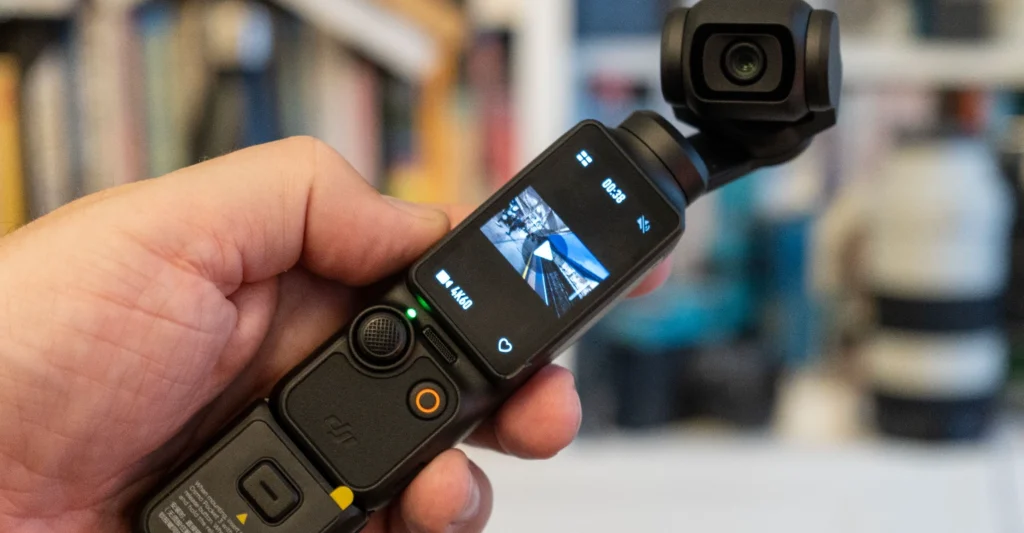
DJI’s Pocket cameras have become popular because they combine a small size with built-in stabilization and smooth video output. Vivo appears to be aiming for the same audience by offering a lightweight camera that is easy to carry and simple to operate. By focusing on everyday creators rather than professional filmmakers, Vivo hopes to attract users who want better video quality than a phone without the complexity of traditional cameras.
Lightweight Design and Easy Handling
One of the key goals of the project is to create a lightweight and portable device. This is important for vloggers who often shoot videos while walking, traveling, or recording daily activities.
A compact design would make the camera suitable for long recording sessions without causing fatigue. It would also allow users to keep the device in a pocket or small bag, similar to how DJI Pocket cameras are used today. Ease of handling is expected to be a major selling point, especially for beginners who want smooth footage without learning complex camera controls.
AI-Powered Stabilization at the Core
Another major focus of Vivo’s Vlog camera is AI-powered stabilization. Vivo has years of experience working with stabilization technology in its smartphones, including gimbal-style stabilization systems.
The company is expected to apply this knowledge to the new camera. AI-based stabilization can help reduce shake, correct motion in real time, and improve overall video smoothness.
Such features are especially useful for handheld recording, where shaky footage is a common problem. Strong stabilization could allow Vivo’s camera to compete closely with DJI’s mechanical gimbal systems.
Using Vivo’s Mobile Imaging Expertise
Vivo is known for its work in mobile imaging, particularly in areas like computational photography, night photography, and video processing. These technologies could play a big role in the new Vlog camera.
Computational photography allows cameras to enhance images using software, improving color, clarity, and detail even in difficult lighting conditions. Vivo may use similar techniques to improve video quality, especially for indoor or low-light scenes. By combining hardware with smart software processing, Vivo could offer strong performance without relying on large sensors or bulky components.
Expanding Beyond Smartphones
This project highlights a wider trend where smartphone brands are expanding into new hardware categories. As smartphone growth slows, companies are looking for new ways to use their technology and brand recognition.
Handheld cameras are a natural extension for smartphone makers with strong imaging teams. They already understand user needs related to photography, video sharing, and social media content. Vivo’s decision suggests it sees long-term potential in the growing creator economy, where demand for simple and capable video tools continues to rise.
Strong Offline Sales Network as an Advantage
Vivo is also expected to rely on its large offline retail network to support sales of the Vlog camera. The company has a strong presence in physical stores, especially in smaller cities and towns across China.
This gives Vivo an advantage over brands that depend mainly on online sales. In-store demos can help customers understand how the camera works and experience its stabilization and video quality firsthand.
By pushing distribution into lower-tier cities, Vivo could reach users who may not already own dedicated cameras but are interested in creating videos.
Competition With DJI and Market Challenges
DJI currently dominates the handheld camera market, especially with its Pocket series. Competing with DJI will not be easy, as the company has deep experience in stabilization and camera hardware.
Vivo will need to offer strong performance, competitive pricing, and reliable software support to stand out. Battery life, heat management, and ease of use will also be important factors. Still, Vivo’s strong brand recognition and imaging background could help it gain attention if the product delivers real value.
Looking Ahead to a 2026 Launch
With a planned release in 2026, Vivo has time to refine the product and test different ideas. The company is likely to study user feedback from vloggers and creators before finalizing the design. If successful, the Vlog camera could open the door for more imaging products from Vivo in the future.
For now, the project signals Vivo’s serious interest in the handheld imaging market and its intent to challenge established players like DJI with smart technology and user-friendly design.
About the Author