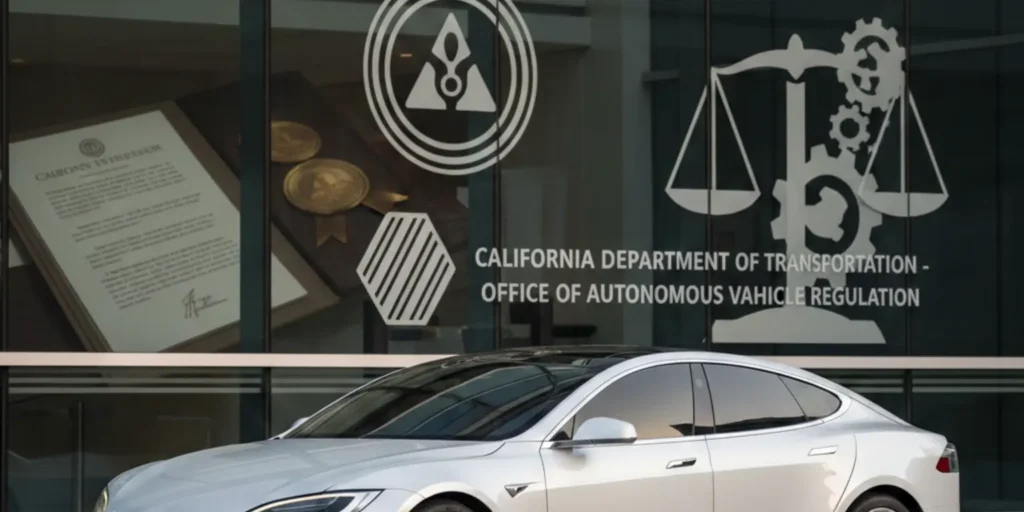
Tesla sidesteps a potential license suspension in California after updating the marketing and naming of its driver assistance features.
Tesla has avoided a major setback in California after agreeing to change how it markets its Autopilot and other driver assistance features. The California Department of Motor Vehicles decided not to suspend Tesla’s sales and manufacturing licenses for 30 days, allowing the company to continue selling electric vehicles in the state without disruption.
California is Tesla’s largest market in the United States, meaning a suspension would have had a significant impact on its business. The ruling also brings an end to a long-running dispute, lasting nearly three years, over how Tesla promoted its Autopilot technology.
Why the DMV Took Action
The issue began in November 2023, when the California Department of Motor Vehicles accused Tesla of misleading advertising. The regulator argued that Tesla’s use of the terms “Autopilot” and “Full Self-Driving” gave customers the wrong impression about what the systems could actually do.
According to the DMV, these names suggested that Tesla vehicles could drive themselves without human intervention. In reality, both systems require drivers to remain alert and ready to take control at all times. The state said this marketing violated California law by exaggerating the capabilities of the technology.
Changes to Full Self-Driving Branding
Before the case reached a final decision, Tesla made changes to its naming of Full Self-Driving. The company stopped using the phrase “Full Self-Driving Capability” and replaced it with “Full Self-Driving (Supervised).”
This change was intended to make it clearer that the system still requires driver attention and oversight. The DMV acknowledged this adjustment but said Tesla continued to use the term “Autopilot,” which remained a concern for regulators.
Because Tesla did not fully comply at that stage, the DMV referred the matter to an administrative law judge at the California Office of Administrative Hearings.
Judge Rules in Favor of the DMV
In December, the administrative law judge sided with the DMV. The judge approved a 30-day suspension of Tesla’s dealer and manufacturer licenses in California as a penalty for misleading marketing.
However, the suspension was not immediately enforced. Instead, the DMV gave Tesla a 60-day window to correct its marketing practices and come into compliance with state rules. This decision left Tesla with a clear choice. Either make the required changes or face a temporary shutdown of its California operations.
Tesla Drops the Autopilot Name
During the compliance period, Tesla took further action. The company stopped using the term “Autopilot” in its marketing materials within California. In a statement posted on its website, the DMV confirmed that Tesla’s corrective steps were sufficient.
The agency said Tesla had removed the misleading term “Autopilot” from its vehicle marketing in the state. It also noted that Tesla had already clarified the supervised nature of Full Self-Driving. Because of these actions, the DMV said Tesla would avoid the 30-day suspension of its licenses.
Autopilot Discontinued in North America
Tesla’s response went beyond changes in wording. In January, the company discontinued Autopilot entirely in the United States and Canada. This move helped Tesla fully comply with the DMV’s requirements. It also marked a strategic shift for the company.
Autopilot had been Tesla’s basic driver assistance system, offered at no extra cost. By removing it, Tesla placed greater emphasis on Full Self-Driving as its primary advanced driving feature. Some analysts believe this decision was also aimed at encouraging more customers to pay for Full Self-Driving.
Changes to Full Self-Driving Pricing
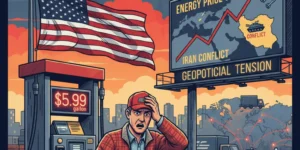
Until mid February, Full Self-Driving Supervised was available as a one-time purchase costing $8,000. Tesla has now moved away from that model. The system is currently offered only through a monthly subscription priced at $99.
This makes the feature more accessible to some drivers, while allowing Tesla to generate recurring revenue. Tesla has indicated that the subscription price may increase in the future as the system improves.
Elon Musk on the Future of FSD
Elon Musk has said the cost of Full Self-Driving will rise as its capabilities expand. Musk has long promoted the idea that Tesla vehicles will eventually be able to operate with minimal or no driver input, although regulators continue to require human supervision.
For now, Tesla emphasizes that Full Self-Driving is a driver assistance system, not a fully autonomous solution. The company’s updated naming and marketing reflect that distinction more clearly.
What This Means for Tesla
By resolving the dispute, Tesla avoids a damaging interruption to its California business. The state plays a crucial role in Tesla’s U.S. sales, manufacturing presence, and brand visibility.
The case also sends a strong signal to other automakers about the importance of accurate marketing for advanced driver assistance systems. Regulators are paying close attention to how these technologies are described, especially as vehicles become more software-driven.
Conclusion
Tesla’s decision to drop the Autopilot name has allowed the company to sidestep a 30-day suspension in California. After years of legal back and forth, the case is now settled.
The outcome highlights growing scrutiny around self-driving claims and reinforces the need for clear communication with consumers. For Tesla, it marks a turning point in how the company presents its driver assistance technology, while keeping its most important U.S. market open for business.
About The Author