
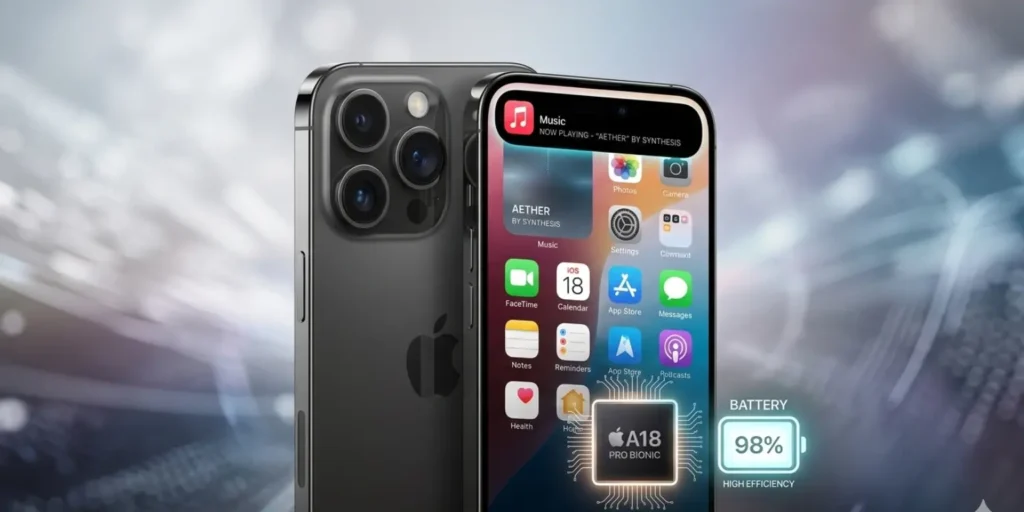
Leaks suggest iPhone 18 Pro focuses on speed, battery life, and camera improvements while retaining iPhone 17 Pro’s design.
Apple’s next flagship, the iPhone 18 Pro, is shaping up to be one of the company’s most performance-focused releases in recent years. Leaks and industry reports indicate that Apple is prioritizing internal upgrades over design changes, signaling a shift in strategy that could appeal to long-time users seeking faster processing, improved battery life, and enhanced camera performance.
While Apple may hold off on major visual updates, analysts suggest this could still make the iPhone 18 Pro a strong seller. By concentrating on hardware improvements rather than exterior redesigns, Apple appears to be targeting efficiency, reliability, and practical upgrades over style.
This approach may divide opinions among consumers. Enthusiasts who expect a fresh look could be disappointed, but those who value performance improvements and long-term usability may welcome the focus on speed, battery, and camera advancements.
Minimal Design Changes
Contrary to earlier rumors, the iPhone 18 Pro is expected to retain much of the same external design as the iPhone 17 Pro. Reports indicate that Apple may continue using the same molds and chassis, keeping the iconic flat-edged look intact. Even the Dynamic Island, which first appeared on the iPhone 14 Pro series, is unlikely to be reduced in size this year.
This decision represents a continuation of Apple’s approach to alternating between major redesigns and internal performance upgrades, a method often referred to as the “tick-tock” cycle. Instead of rolling out significant physical changes every year, Apple has occasionally focused on improving the core experience for users while keeping manufacturing processes stable.
Reusing a familiar design has practical benefits. By maintaining the same form factor, Apple can reduce production complexity and costs, potentially allowing the company to maintain competitive pricing. This strategy also makes the iPhone 18 Pro compatible with existing accessories, such as cases and charging docks, minimizing inconvenience for users upgrading from prior models.
Return of the Tick-Tock Approach
Apple’s “tick-tock” strategy dates back to early iPhone models, such as the iPhone 4 and 4s, 5 and 5s, and 6 and 6s. Under this approach, Apple alternated between major redesigns and incremental performance-focused upgrades. While the pattern became less obvious after the iPhone 12, which retained its design for several years, industry analysts suggest that Apple is now returning to a similar model with the iPhone 18 Pro.
By focusing on performance improvements instead of design changes, Apple can deliver a tangible upgrade for users who prioritize speed, battery efficiency, and advanced features. This approach also reduces the risk associated with launching entirely new designs, which can sometimes face production delays or consumer pushback.
Major smartphone brands, including Samsung and Google, follow similar strategies. They often maintain design consistency for multiple generations while updating chipsets, batteries, cameras, and software to keep devices competitive without disrupting the supply chain.
Expected Performance Upgrades
The iPhone 18 Pro is rumored to feature one of the most advanced chipsets Apple has ever produced, potentially built using a 2-nanometer process. This would make the device significantly more efficient, delivering faster performance with lower energy consumption. The smaller manufacturing process could also allow Apple to enhance battery life, which remains a top concern for smartphone users worldwide.
In addition to the upgraded chipset, the iPhone 18 Pro is expected to include improvements in camera optics. While the external camera module may appear similar, users could see better image quality, enhanced low-light performance, and more refined computational photography capabilities. These improvements aim to strengthen Apple’s position in smartphone photography, which has long been a competitive advantage for the company.
Other hardware refinements may include a second-generation in-house modem for faster, more reliable connectivity, as well as slight enhancements to display refresh rates and graphics processing. While not revolutionary, these upgrades could significantly improve the day-to-day experience for heavy users, gamers, and professionals who rely on their devices for multitasking.
Battery Life and Efficiency
Battery life is another key area of focus. While the design may remain unchanged, leaks suggest Apple is increasing the internal battery capacity. Combined with the more efficient 2nm chipset, this could result in longer usage between charges, addressing one of the main complaints from users of previous models.
The efficiency improvements may also help Apple reduce overall heat generation during intensive tasks, enhancing longevity and performance stability. For users who frequently use AI-based apps, video editing, or high-performance games, these changes could translate to a noticeable improvement in reliability and convenience.
Who Should Consider Upgrading?
The iPhone 18 Pro is likely to appeal most to users of older devices, such as the iPhone 15 Pro, 14 series, or earlier models. For these users, the combined performance upgrades, battery improvements, and camera enhancements may feel significant.
Users who already own a recent flagship, however, may find the upgrade less compelling. With minimal design changes, the device is unlikely to provide a transformative new experience for those satisfied with the iPhone 17 Pro. Instead, early adopters may be better served waiting for Apple’s anticipated foldable iPhone, which could introduce a more radical redesign and new usage possibilities.
Professionals and tech enthusiasts who prioritize speed, efficiency, and multitasking capabilities may still find the iPhone 18 Pro appealing. The 2nm chip, improved battery, and camera refinements could significantly enhance productivity and creative tasks, providing measurable benefits that go beyond cosmetic changes.
Apple’s Strategic Considerations
Apple’s decision to maintain the same design while focusing on performance may also reflect broader strategic priorities. By keeping manufacturing consistent, the company can better control costs, minimize supply chain disruptions, and maintain a steady production schedule.
This strategy could be particularly important given the current global semiconductor shortage and supply chain pressures. By reusing existing molds and components, Apple can allocate resources toward producing more advanced chips and enhancing internal hardware without the added complexity of redesigning the exterior.
Additionally, maintaining design continuity allows Apple to continue using established accessories, such as MagSafe chargers, cases, and docks, which strengthens its ecosystem and supports accessory partners. This approach reinforces the value of Apple’s broader ecosystem while providing a smoother transition for users upgrading from previous models.
Market Impact and Consumer Expectations
The iPhone 18 Pro leaks highlight Apple’s careful balancing act between performance, innovation, and user expectations. While some users may have hoped for bold design changes, the decision to focus on efficiency and internal upgrades may strengthen Apple’s reputation for reliable, high-performance devices.
Consumers upgrading from older iPhones are likely to appreciate the tangible benefits in speed, battery, and camera quality. Meanwhile, the lack of major design changes may reduce hype but could also prevent disappointment from potential manufacturing or design issues.
Analysts predict that Apple’s focus on performance could maintain its appeal in key markets worldwide. With battery life, camera improvements, and a more powerful processor, the iPhone 18 Pro may achieve strong sales among users prioritizing functionality over visual novelty.
Looking Ahead: Foldable iPhone
While the iPhone 18 Pro focuses on performance, Apple is reportedly shifting attention toward a foldable device, often referred to as the iPhone Fold. This device could represent Apple’s next major design leap, offering new form factors and potentially transforming how users interact with their phones.
For consumers seeking a dramatic upgrade, the foldable iPhone may provide an entirely new experience with multi-screen functionality, expanded displays, and innovative user interfaces. Those interested in cutting-edge technology may prefer to wait for this device rather than upgrading to the iPhone 18 Pro immediately.
Conclusion
The iPhone 18 Pro appears to be a strategically focused release. By maintaining design consistency while upgrading the chipset, battery, camera, and connectivity, Apple is delivering meaningful improvements for users who value performance and efficiency.
While the lack of major visual changes may disappoint some, the device is likely to attract users with older models and those seeking tangible upgrades in speed, reliability, and battery life. Meanwhile, Apple’s rumored foldable iPhone promises a more radical redesign in the future, giving consumers options based on their priorities and appetite for innovation.
Overall, the iPhone 18 Pro reflects Apple’s balanced approach: incremental improvements for current users, strong performance gains, and preparation for a more ambitious design evolution with its foldable lineup.
About The Author