
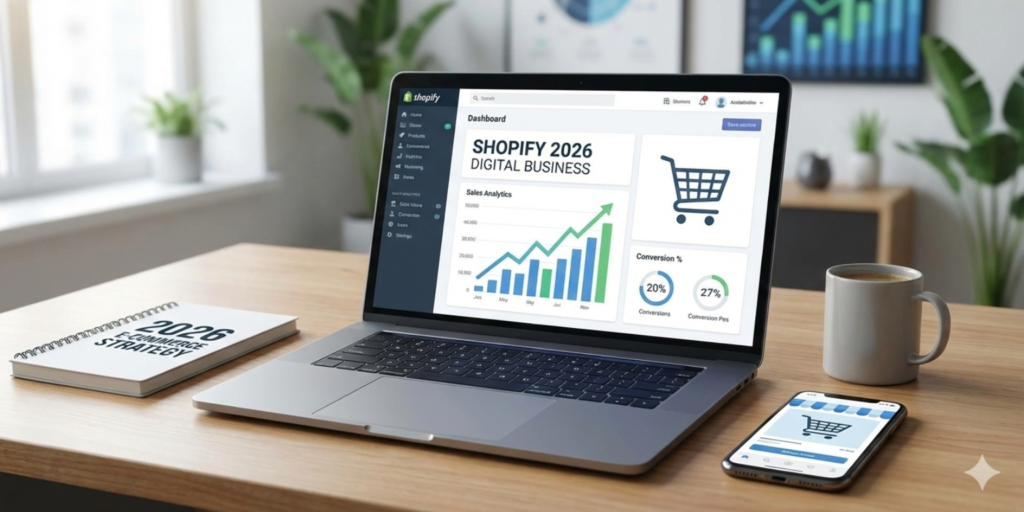
A modern Shopify store optimized for faster checkout and higher conversions in 2026.
Running a successful Shopify store in 2026 is not just about having good products. Many stores use the same platform and tools, yet only some manage to grow. The difference usually comes down to how well a store is designed to turn visitors into buyers. This process is called conversion optimization.
Online shopping has become very competitive. Shoppers have endless choices and very little patience. If a page loads slowly, looks confusing, or feels untrustworthy, visitors leave without buying. Today, success depends on how comfortable and confident customers feel while browsing your store.
This guide focuses on practical ways to improve your Shopify store so that more visitors complete their purchases. These steps are based on real customer behavior and proven store practices.
First Impressions Matter More Than Ever
Visitors decide very quickly whether to stay on a website or leave. Your homepage needs to feel clean, clear, and professional. If the design looks cluttered or outdated, people lose trust instantly.
Use simple layouts, readable fonts, and calm colors. Large product images help customers understand what you sell without reading much. Avoid showing too many pop-ups as soon as someone arrives. Let them explore first.
Think of your website like a physical store. If it feels messy or uncomfortable, people walk out. A clean design invites them to stay longer.
Design for Mobile First
Most online shopping now happens on phones. If your store does not work smoothly on mobile screens, you are losing sales every day.
Buttons should be easy to tap. Text should be readable without zooming. Images must load properly and fit the screen. Checkout should be quick and simple.
Test your store on different phones and screen sizes. Remove features that slow down mobile pages. A smooth mobile experience often leads to higher conversion rates.
Website Speed Builds Trust
Speed is one of the biggest factors in online shopping success. Slow pages frustrate visitors and make a store feel unreliable.
Compress large images and remove unused apps. Choose a lightweight theme that loads fast. Shopify already offers strong hosting, but store owners still need to manage content wisely.
Even a one-second delay can reduce sales. Fast stores feel safe and professional.
Use Words That Connect Emotionally
Customers rarely buy products based only on features. They buy based on how a product makes them feel. Your product descriptions should focus on benefits and experiences.
Instead of listing technical details only, explain how the product improves daily life. Keep the language friendly and natural. Write like you are talking to a real person.
Short stories and clear examples help customers imagine using your product. This emotional connection encourages action.
Add Product Videos for Clarity
Videos help customers understand products faster than text alone. A short video showing a product in use can build confidence quickly.
Videos answer common questions and reduce doubts. They show size, texture, movement, and real use cases. This reduces the chance of returns and increases trust.
You do not need professional equipment. Simple, honest videos often perform better than polished ones.
Personalize the Shopping Experience
Customers want to feel recognized. Showing relevant products based on browsing behavior improves engagement.
If someone views a jacket, showing matching items later feels helpful rather than pushy. Personalized emails reminding customers about saved carts also work well.
Personalization makes the shopping experience feel more human and less generic.
Simplify the Checkout Process
Many customers abandon carts because checkout feels difficult. Too many steps, unexpected fees, or forced account creation push buyers away.
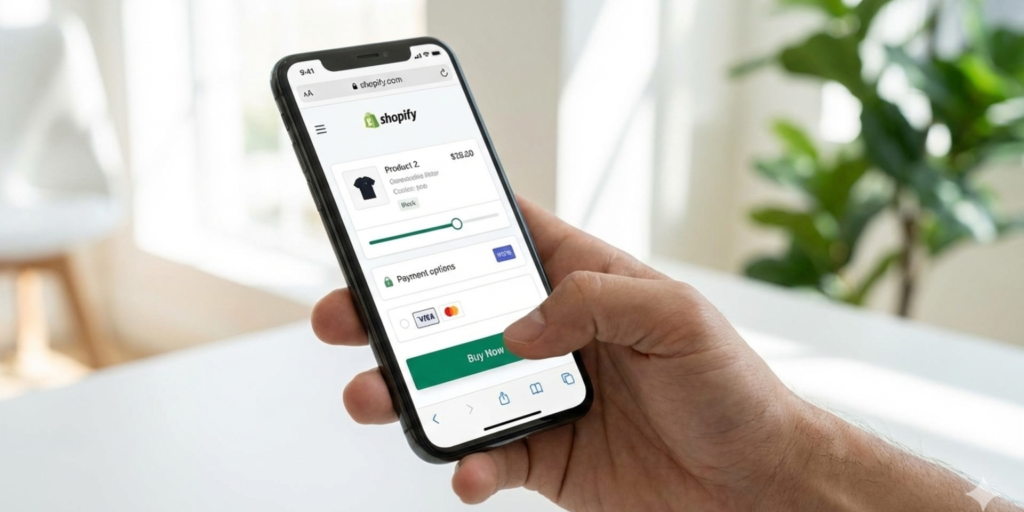
Offer guest checkout. Show all costs clearly before payment. Add trusted payment options like Shop Pay, Apple Pay, and Google Pay.
A smooth checkout reduces hesitation and increases completed purchases.
Use Reviews and Social Proof
People trust other buyers more than advertisements. Display reviews clearly on product pages. Include real photos and honest feedback.
Showing how many people bought a product or what others recommend builds confidence. Authentic reviews help customers feel confident in their decision-making.
Create Honest Urgency
Limited stock messages and time-based offers can encourage action. These only work if they are real.
Avoid fake countdowns or misleading messages. Honesty builds long-term trust. When urgency is genuine, customers respond positively.
Be Clear and Transparent
Clear policies reduce anxiety. Show shipping costs, delivery times, and return rules clearly. Make contact information easy to find.
Helpful FAQs answer common questions and remove doubts. Transparency makes customers feel respected.
Bring Back Visitors Who Left
Most visitors do not buy on their first visit. Retargeting helps bring them back.
Use reminder emails, simple ads, or small incentives. Keep messages friendly and respectful. Avoid sending too many reminders.
Gentle follow-ups often turn hesitation into sales.
Use Data to Improve Decisions
Shopify analytics show how customers move through your store. Pay attention to pages where visitors leave.
Test different headlines, images, and button placements. Small changes can lead to big improvements. Data shows what works and what does not.
Upsell in a Helpful Way
Upselling works best when it feels useful. Suggest items that naturally fit the main product.
For example, accessories that improve usage or protect the main item. Keep suggestions simple and relevant. Helpful upsells increase order value without annoying customers.
Add Live Chat or Helpful Bots
Customers want fast answers. Live chat or automated support helps solve problems instantly. Make sure responses sound friendly and clear. Customers appreciate quick help during decision-making.
Prepare for Voice Search
More people use voice search to find products. Product titles and descriptions should use natural language. Answer common questions clearly. This improves visibility and helps reach new customers.
Build Customer Loyalty
Returning customers are more valuable than new ones. Reward loyalty with points, discounts, or early access.
Simple gestures like thank you emails and birthday offers make customers feel appreciated. Loyal customers also recommend your store to others.
Improve Every Product Page
Each product page should feel complete. Include strong images, clear descriptions, reviews, and shipping details.
Keep the add to cart button easy to find. Make sure the page loads quickly and looks good on mobile. Well-built product pages convert better and rank higher in search results.
Sell on Social Platforms
Social media platforms now support shopping directly. Connect your Shopify store with social channels. Use short videos and real customer content. Products that blend naturally into social feeds perform better.
Reach Global Customers Thoughtfully
Selling internationally opens new opportunities. Offer local currencies and translated content where possible. Respect local preferences and communication styles. Global selling works best when it still feels personal.
Keep Improving Over Time
Conversion optimization never ends. Customer expectations change every year. Review your store regularly. Test new ideas. Update designs and messaging based on data. Stores that grow are those that keep learning and improving.
Conclusion
Optimizing a Shopify store in 2026 requires focus, patience, and understanding customer behavior. Success does not come from tricks or shortcuts. It comes from building trust, reducing friction, and making shopping enjoyable.
By improving design, speed, clarity, and personalization, store owners can turn more visitors into loyal customers. Small changes applied consistently lead to strong long-term results.
About The Author