
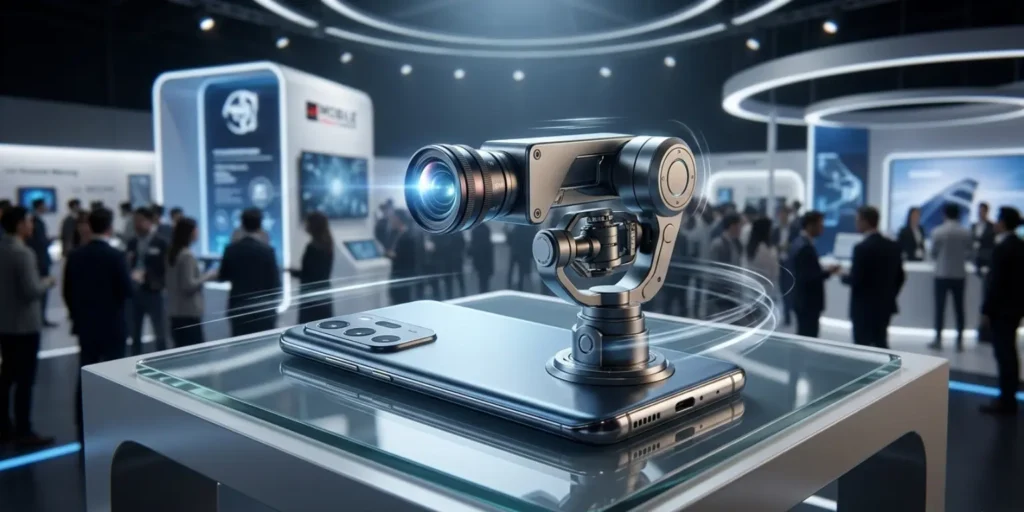
Honor introduces a robotic smartphone with a motorized 200MP camera that can track users and move dynamically.
Honor has unveiled one of its most futuristic smartphone concepts yet: a “Robot phone” featuring a movable camera arm that can physically rotate, track users, and even dance to music. The announcement comes ahead of the Mobile World Congress (MWC) in Barcelona, where smartphone makers showcase their latest innovations.
This new device combines robotics, artificial intelligence, and smartphone photography into a single product. Honor says the phone is planned for release in the second half of 2026, and it could redefine how smartphone cameras interact with users.
A Smartphone Camera That Moves Like a Robot
The most striking feature of Honor’s Robot phone is its motorized camera mounted on a robotic arm. Unlike traditional fixed smartphone cameras, this camera can physically move, rotate, and tilt using a built-in micro motor system. The camera sits on a three-axis gimbal stabilization system, allowing it to rotate smoothly in multiple directions. This enables the phone to capture stable photos and videos even while the user is moving.
Honor says the robotic arm supports four degrees of freedom, meaning it can move more naturally and precisely compared to standard stabilization systems. The company developed its own micro motor technology to make these movements smooth, quiet, and durable. This robotic camera design represents a major step forward from software-based stabilization, which relies only on digital correction.
Massive 200-Megapixel Camera for High-Quality Images
The Robot phone includes a powerful 200-megapixel main camera, designed to capture extremely detailed photos and videos. Combined with the mechanical movement of the robotic arm, the camera can create cinematic-style footage directly from the phone.
Honor has also introduced a feature called Spinshot, which allows the robotic camera to rotate automatically by 90 or 180 degrees. This enables creative shooting angles that are difficult to achieve with traditional smartphones.
The phone also includes a Super Steady mode, which uses both mechanical stabilization and AI processing to produce smooth videos even during motion. These features make the device especially appealing for content creators, vloggers, and social media users who want professional-looking footage without extra equipment.
AI Tracking That Follows You Automatically
One of the most practical uses of the robotic camera is AI-powered subject tracking. The camera can automatically follow a person during video recording or video calls.
This means users can move freely while the phone keeps them centered in the frame. The feature works similarly to automatic tracking technologies seen in some video conferencing systems, but Honor’s robotic camera adds physical movement for greater flexibility.
This makes the phone useful for:
- Video calls while walking or presenting
- Recording fitness workouts
- Filming vlogs without assistance
- Online teaching or presentations
Instead of adjusting the phone manually, the robotic arm handles positioning automatically.
A Phone With a “Personality”
Honor says the Robot phone goes beyond simple camera movement. The company designed it to behave more like a robotic companion. According to Honor, the phone can respond to users with physical gestures, such as nodding or shaking its camera arm. This gives the device a sense of personality and makes interactions feel more natural.
For example, during a demonstration, a user asked the phone for clothing suggestions. The robotic camera responded by nodding or shaking to indicate approval or rejection. The phone can also dance to music by moving its camera arm in rhythm. This playful feature highlights Honor’s focus on creating a more emotional connection between users and technology. These movements are controlled by artificial intelligence, which allows the phone to react without needing direct commands every time.
Voice and Text Interaction With an AI Assistant
The Robot phone includes a built-in AI assistant that users can communicate with using voice or text. This assistant helps control the robotic camera and provides recommendations or responses.
Users can ask the phone questions, request actions, or interact conversationally. The robotic movements add a visual and physical response, making the experience more engaging than traditional voice assistants. This approach reflects a broader trend in smartphones, where AI is becoming central to the user experience.
Strong and Durable Robotic Arm Design
One of the biggest challenges in creating a robotic smartphone camera is durability. Moving parts can wear out or break over time if not designed properly. Honor addressed this by using high-strength materials similar to those used in its foldable phone hinges.
The robotic arm uses materials with a tensile strength of 2,800 MPa, making it highly resistant to stress and repeated movement. The company also used engineering techniques developed for foldable phones to fit the robotic mechanism inside a slim smartphone body. This ensures the robotic arm is both compact and reliable.
Improved Video Calls and Content Creation
The robotic camera could significantly improve video calling. Instead of staying fixed, the camera can follow users as they move around. This creates a more natural video call experience, especially for remote workers, teachers, and presenters.
For content creators, the robotic camera acts like a built-in cameraman. Users can record themselves without needing a tripod or another person to hold the camera.
This makes the phone especially useful for:
- YouTubers
- TikTok creators
- Fitness instructors
- Online educators
The ability to automatically track subjects and stabilize footage could simplify content creation.
Robotics and Smartphones Are Beginning to Merge
Honor’s Robot phone represents a larger shift in smartphone innovation. Instead of focusing only on faster processors or bigger screens, companies are exploring mechanical and robotic features. Foldable phones introduced moving displays. Now, robotic cameras introduce moving sensors.
This combination of robotics and artificial intelligence could lead to new types of devices in the future. For example, future phones could include robotic sensors, adaptive displays, or moving components designed to improve usability.
Part of Honor’s Broader Innovation Strategy
Honor announced the Robot phone alongside several other products, including the Magic V6 foldable smartphone, MagicPad 4 tablet, and MagicBook 14 laptop. This shows the company is investing heavily in innovation across multiple product categories.
Honor has been competing aggressively with other major smartphone manufacturers by focusing on unique features, especially in foldable devices and AI-powered tools. The Robot phone continues this strategy by introducing a feature that currently has no direct competitor.
Expected Launch in the Second Half of 2026
Honor confirmed that the Robot phone is expected to launch in the second half of 2026. The company has not yet announced pricing, full specifications, or the official product name.
It is also unclear whether the phone will be widely available globally or limited to select markets. However, the announcement has already generated significant interest because of its unusual robotic design.
Future Outlook for Robotic Smartphones
If successful, Honor’s Robot phone could influence future smartphone design. Mechanical camera systems may become more common, especially as users demand better video recording and AI features. Smartphones are evolving from static tools into interactive devices that can move, respond, and adapt.
Honor’s Robot phone shows that the future of smartphones may not just be smarter, but also more physical, expressive, and robotic. As artificial intelligence and robotics continue to improve, devices like this could transform how people capture memories, communicate, and interact with technology every day.
About The Author