As the clock turns toward 2026, cities and communities around the world are preparing to welcome the new year in their own unique ways. From fireworks lighting up famous skylines to traditional drums echoing through villages, people everywhere are finding meaningful ways to mark the moment. While each country celebrates differently, the shared sense of hope and renewal remains the same.
This year’s celebrations reflect a blend of old traditions and modern displays. Many places are combining cultural rituals with new technology, creating events that feel both familiar and fresh.
Fireworks Return to the Spotlight
Fireworks remain one of the most popular ways to welcome the new year, and in 2026 they are making a strong return. Major cities such as Sydney, London, New York, and Dubai are planning large-scale fireworks shows that draw millions of viewers, both in person and online.
In some locations, fireworks have become more carefully designed. Instead of long, loud displays, organizers are focusing on shorter shows with precise timing and color patterns. These displays often follow music and are choreographed to tell a story, making them more visually engaging.
Environmental concerns have also shaped fireworks planning. Several cities are using cleaner-burning fireworks that produce less smoke. Others are limiting the duration of shows or holding them farther from residential areas to reduce noise impact.
Drums and Traditional Sounds Lead Celebrations
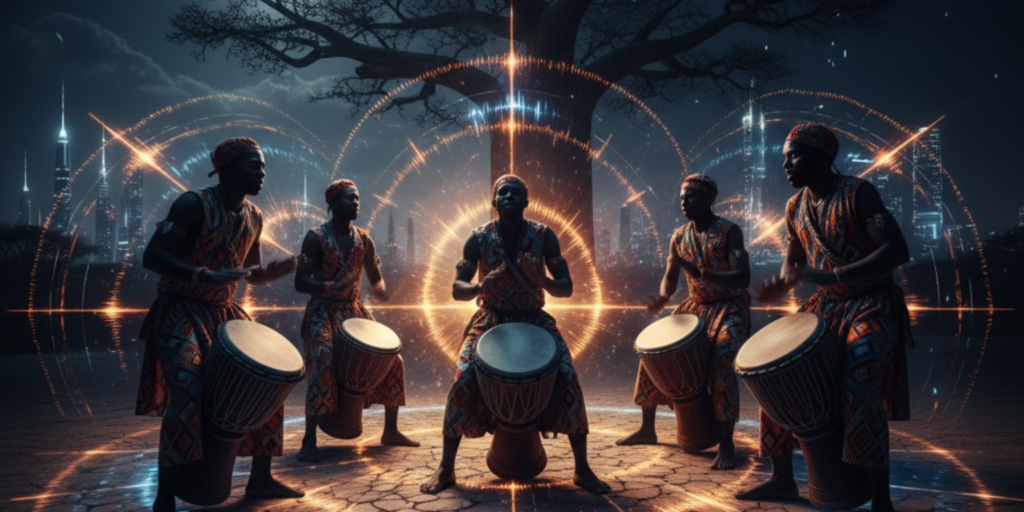
While fireworks dominate the skies, many cultures welcome the new year with sound rather than light. Drumming plays a central role in celebrations across parts of Africa, Asia, and Latin America. These rhythms are deeply connected to history and community identity.
In Japan, temple bells are traditionally rung 108 times to represent the cleansing of human desires. In parts of West Africa, large drum circles gather to mark the new year with music, dancing, and storytelling. The sound of drums brings people together and creates a shared emotional experience.
These traditions continue in 2026, reminding people that celebration does not always need spectacle. For many, the power of sound and human connection is enough.
Light Shows Replace Loud Displays in Some Cities
In recent years, light shows have grown in popularity, and 2026 is no exception. Some cities are choosing digital light displays instead of fireworks. These shows use drones, lasers, and LED installations to create images in the sky or across buildings.
Drone light shows have become especially popular. Hundreds or even thousands of drones move in sync to form shapes, symbols, and even short messages. These displays are quieter and more controlled than fireworks, making them suitable for urban areas.
Cities in Europe and Asia are leading this trend, but it is spreading worldwide. Organizers say light shows offer more creative freedom and can be reused year after year.
Smaller, Community-Focused Celebrations

Not every celebration in 2026 is large or public. In many places, people are choosing smaller gatherings with family and friends. Local events, neighborhood parties, and cultural programs are becoming more common.
This shift reflects a desire for meaningful moments rather than massive crowds. Community centers, parks, and local halls are hosting music performances, food events, and storytelling sessions. These gatherings often focus on cultural heritage and shared values.
In rural areas, celebrations remain closely tied to tradition. Bonfires, folk songs, and communal meals are still central to welcoming the new year.
How Technology Is Changing New Year’s Events
Technology is playing a larger role in how people experience celebrations in 2026. Live streams allow people to watch events from around the world in real time. Virtual reality experiences even let users feel as if they are standing in a crowd thousands of miles away.
Social media platforms are also shaping celebrations. Short videos, live updates, and shared countdowns connect people across borders. Many events now include digital elements designed specifically for online audiences.
At the same time, some people are choosing to step away from screens during the celebrations. This balance between digital connection and real-life presence reflects changing attitudes toward technology.
Cultural Meaning Behind the Celebrations
Despite the differences in how people celebrate, the meaning behind these events remains similar. The new year represents a chance to reflect on the past and look ahead with hope. Fireworks symbolize new beginnings. Drums represent continuity and strength. Light shows reflect creativity and progress.
In many cultures, rituals tied to the new year focus on letting go of hardship and welcoming positive change. These traditions have survived for generations and continue to adapt.
A World United by Celebration
As 2026 begins, the world once again finds common ground in celebration. Whether through fireworks in the sky, drums in the streets, or lights dancing above cities, people everywhere are marking the moment in ways that reflect their history and values.
Each celebration tells a story, not just about the new year, but about the people welcoming it.
Conclusion
Fireworks, drums, and light shows may look and sound different across countries, but they all serve the same purpose. They bring people together, create shared memories, and offer a sense of hope for what lies ahead.
In 2026, the world is celebrating with both tradition and innovation. From ancient rhythms to modern technology, these moments remind us that even in changing times, the desire to welcome a new beginning remains universal.
About The Author